
Commercial modified bitumen roofing in Orlando
Two-ply torch-applied and self-adhered systems for roofs that take traffic. Granulated cap sheet, redundant plies, and the durability single-ply membranes don’t have.
- Hot and cold application — torch and self-adhered
- Two-ply redundancy
- Recovers cleanly over existing built-up roofing
- Manufacturer warranties registered in the owner's name
Active leak? Call Sean directly - 407-437-9477
Built for roofs that get walked on
Single-ply membrane is the economical default for most commercial roofs, and for a warehouse nobody touches it’s usually the right call. Modified bitumen is what you specify when the roof takes abuse.
Two plies means redundancy — a puncture through the cap sheet doesn’t put water in the building. The granulated surface handles foot traffic that would damage a 60-mil membrane. On buildings where service techs are on the roof monthly, that difference shows up in year eight.
Heavy rooftop mechanical
Buildings with substantial HVAC where techs are on the roof regularly for service.
Restaurants and food service
Grease exhaust cleaning means repeated foot traffic in the same areas.
Existing BUR replacement
A lot of older Orlando commercial stock is built-up. Mod bit is the natural replacement in kind.
High-traffic roofs
Anywhere the roof functions as a working surface rather than just a cover.
Ponding-prone sections
Two plies and a granulated cap handle standing water better than thin single-ply.
Steep-slope transitions
Works where a roof shifts pitch and single-ply detailing gets complicated.
Hot or cold application
We’re equipped for both, so the method gets chosen for your building rather than for our crew.
TYPICALLY NEW CONSTRUCTION
The membrane is heat-welded directly to the substrate, forming the strongest bond available in a mod bit system. We use it on new construction and unoccupied buildings where open flame is permitted and a fire watch can be maintained.
- Strongest ply adhesion
- Fast installation on large areas
- Requires fire watch and open-flame clearance
FOR OCCUPIED AND FIRE-RESTRICTED BUILDINGS
No open flame. The membrane bonds through a factory-applied adhesive layer, which makes it the right choice on occupied property, schools, medical buildings, and anywhere insurance or code restricts torch work.
- No open flame or fire watch
- Safe on occupied buildings
- Fewer scheduling restrictions
A lot of contractors only offer self-adhered because torch work carries fire-watch and insurance requirements they’d rather avoid. We do both, which means we can recommend based on your building instead of our limitations.
SBS and APP
Modified bitumen comes in two chemistries. SBS is rubber-modified and stays flexible, which matters where a roof moves. APP is plastic-modified with stronger UV and heat resistance — usually the more relevant property in Central Florida.
Torch application generally uses APP. Self-adhered systems are typically SBS. We’ll specify based on your building and how the roof will be used.
Recovering over existing built-up roofing
A lot of Orlando’s older commercial buildings still have built-up roofing — gravel-surfaced, multi-ply, and often decades old. Modified bitumen recovers over BUR cleanly when the assembly is dry, which avoids the disposal costs and downtime of a full tear-off.
We take core samples before recommending it. Recovering over saturated insulation traps the water and shortens the life of the roof you just paid for, so if it’s wet we’ll tell you tear-off is the only honest option.
BEFORE WE RECOMMEND RECOVER
- Core samples to confirm the assembly is dry
- Verify only one system is currently in place
- Check deck condition and structural capacity
- Confirm the existing surface will support the new system
Property Types
Common questions
How long does a modified bitumen roof last?
Twenty to thirty years on a properly installed two-ply system. Mod bit generally outlasts single-ply on roofs that see regular foot traffic, because the granulated cap sheet takes wear that thin membrane doesn’t.
What's the difference between torch-applied and self-adhered?
Torch heat-welds the membrane directly to the substrate and forms the strongest bond available. Self-adhered bonds through a factory adhesive with no open flame. We use torch primarily on new construction and unoccupied buildings, and self-adhered on occupied property, schools, and anywhere fire restrictions apply. We’re equipped for both.
Is torch application safe on an occupied building?
We generally don’t recommend it. Torch work requires open flame and a maintained fire watch, and on occupied property self-adhered removes that risk entirely with no meaningful performance tradeoff. If a building is occupied, we’ll almost always specify cold application.
Can you install over our existing built-up roof?
Often, yes — mod bit recovers over BUR well when the assembly is dry and only one system is in place. We take core samples first. If the insulation is saturated, recovering traps the problem.
Mod bit or TPO — which should we choose?
TPO is more economical and the right call for most commercial roofs. Mod bit is worth the difference when the roof gets walked regularly, carries heavy mechanical, or serves a restaurant or food service building. We’ll make a recommendation based on how your roof actually gets used.
Does it come with a manufacturer warranty?
Yes, on qualifying systems, registered in the owner’s name at close-out. We’re certified with GAF, Sika, and Versico.
Can you work while the building is occupied?
Yes, using self-adhered systems. There’s no open flame, and we sequence work around your operations.
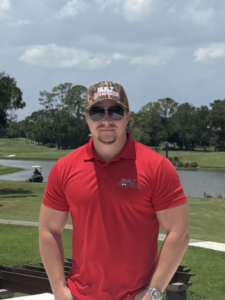
Your commercial contact
Sean McCoy - Commercial Division
I handle commercial roofing for Built Roofing across Central Florida. If you manage property in the area, I’m happy to walk your roof and put together a condition report — whether or not you’re planning work this year. Most of what I do is helping property managers and association boards understand what they’re actually looking at, before it turns into an emergency.
- (407)-437-9477
- [email protected]
- Connect on LinkedIn
Not sure which system your roof needs?
We’ll assess what’s there, take core samples where the assembly is unknown, and tell you whether mod bit, single-ply, or a coating is the right spend. No cost.
Or call Sean directly — 407-437-9477